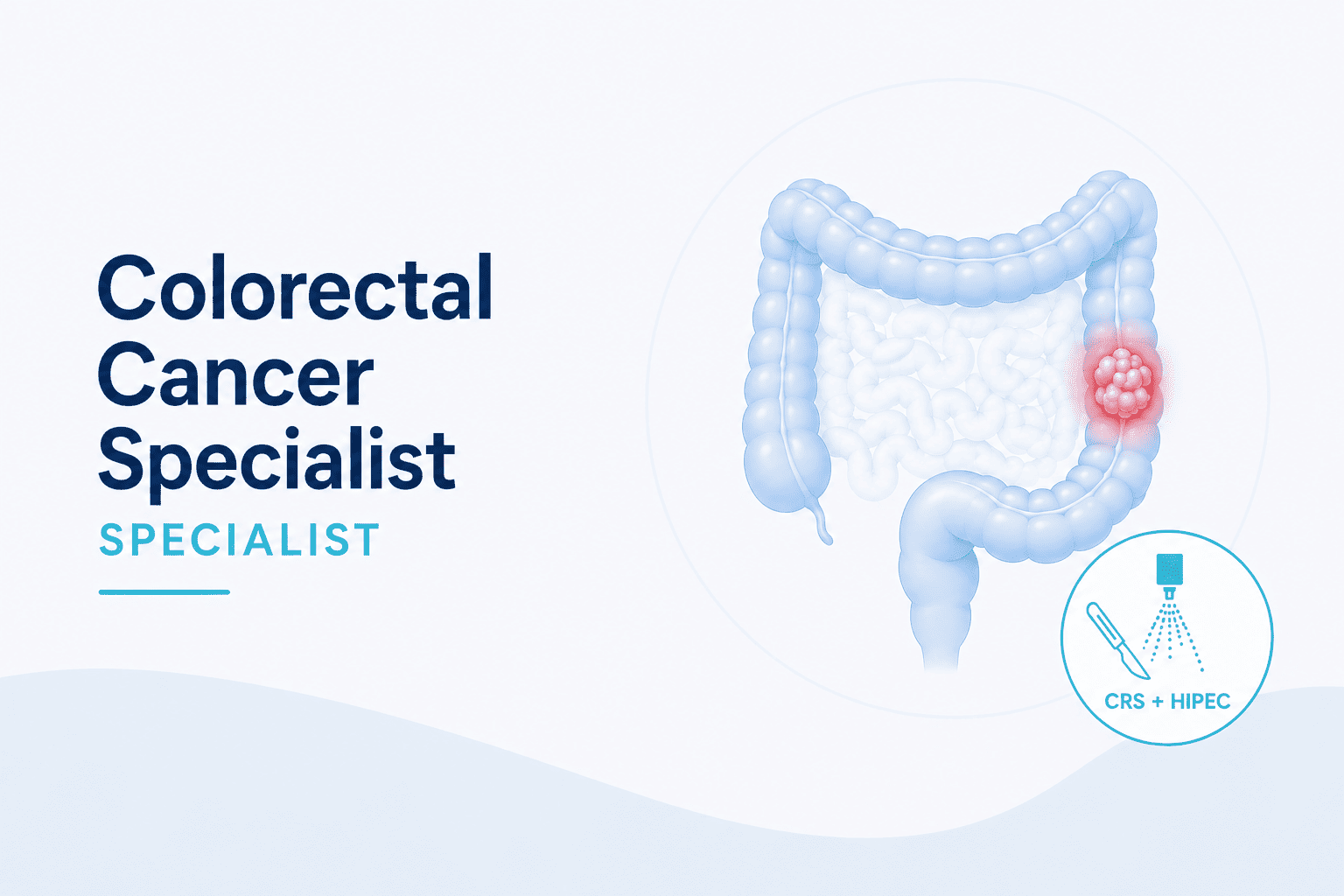
Best Colorectal Cancer Specialist in Mulund
Finding the best colorectal cancer specialist in Mulund is essential for early diagnosis, advanced treatment, and improved survival outcomes. Colorectal cancer is one of the most common cancers affecting the digestive system, involving both the colon and rectum. With timely medical intervention and expert care, it is highly treatable, especially in early stages.
Mulund has emerged as a growing healthcare hub in Mumbai, offering access to experienced oncology specialists, advanced hospitals, and modern diagnostic facilities. Patients seeking colorectal cancer treatment in Mulund benefit from comprehensive and personalized care close to home.
Symptoms of Colorectal Cancer
Early detection of Colorectal Cancer significantly improves treatment success. Common symptoms include:
- Blood in stool or rectal bleeding
- Abdominal pain or cramping
- Unexplained weight loss
- Fatigue and weakness
- Feeling of incomplete bowel movement
- If these symptoms persist, consulting a colorectal cancer specialist in Mulund is strongly recommended.
Role of a Colorectal Cancer Specialist
A colorectal cancer specialist plays a critical role in diagnosing, staging, and treating the disease. The best specialists in Mulund provide:
- Accurate diagnosis using advanced imaging and endoscopy
- Personalized treatment planning based on cancer stage
- Expertise in minimally invasive, laparoscopic, and robotic surgery
- Coordination with oncology teams for chemotherapy and radiation
- Long-term follow-up and survivorship care
- Their goal is not only to treat cancer but also to preserve bowel function and improve quality of life.
Advanced Treatment Options in Mulund
Leading healthcare centers in Mulund offer comprehensive colorectal cancer treatments, including:
- Surgery
It involves removing the cancerous section of the colon or rectum along with nearby lymph nodes.
- Laparoscopic and Robotic Surgery
Minimally invasive techniques allow precise tumor removal with smaller incisions, faster recovery, and reduced complications.
- Chemotherapy
Chemotherapy is used to destroy cancer cells and reduce the risk of recurrence. It may be given before or after surgery.
- Radiation Therapy
Radiation is commonly used for rectal cancer to shrink tumors and improve surgical outcomes.
- Targeted Therapy
These drugs focus on specific cancer cell mechanisms, improving effectiveness while minimizing damage to healthy cells.
- Immunotherapy
Helps strengthen the body’s immune system to fight cancer, especially in advanced or specific genetic cases.
Conclusion
Choosing the best Colorectal Cancer specialist in Mulund is essential for accurate diagnosis, advanced treatment, and better survival outcomes. With experienced specialists, modern hospitals, and advanced surgical techniques, Mulund has become a trusted destination for colorectal cancer care.