

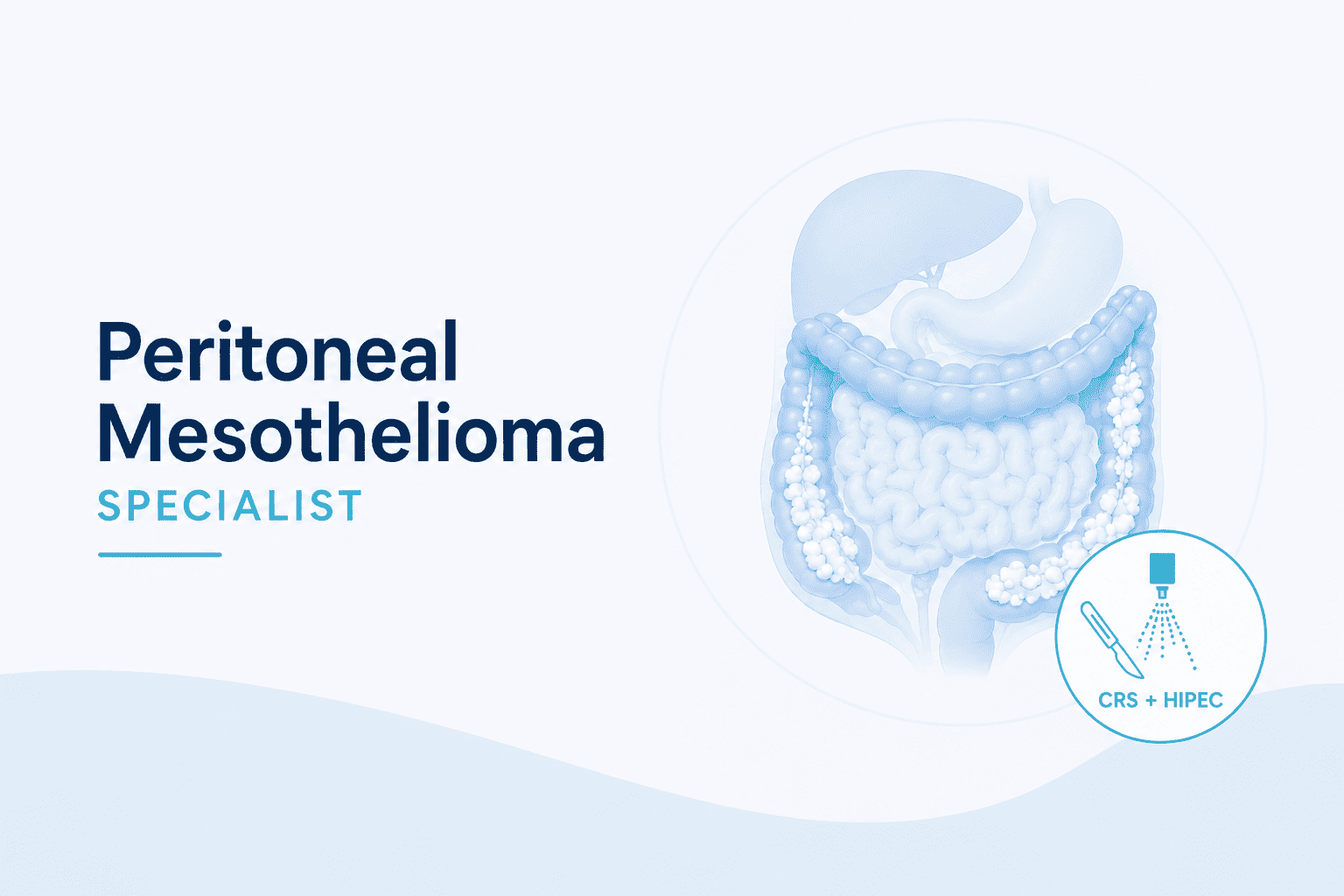
Peritoneal mesothelioma is a rare and aggressive form of cancer that develops in the lining of the abdomen (peritoneum). It is most commonly associated with prolonged exposure to asbestos and requires highly specialized care for effective treatment. If you are searching for the best peritoneal mesothelioma specialist in Mulund, understanding the disease, treatment options, and the importance of expert care can help you make the right decision.
Finding the best Peritoneal Mesothelioma specialist in Mulund is crucial for effective diagnosis and treatment. With access to experienced oncologists, advanced medical technology, and comprehensive care, Mulund has become a trusted destination for managing this rare condition.
Both conditions require careful evaluation and specialized treatment. Advances in surgical oncology and targeted therapies have significantly improved the management of these diseases, offering better outcomes and improved quality of life for patients.
Peritoneal metastases occur when cancer cells spread from their original site to the lining of the abdomen. These cancer cells may form small tumor deposits across the peritoneal surfaces and surrounding organs.
Because the peritoneum covers many abdominal organs, the disease can affect multiple areas within the abdomen and may lead to symptoms such as swelling, discomfort, and digestive problems.
Peritoneal mesothelioma is a rare cancer that develops from the cells lining the abdominal cavity. It can cause thickening of the peritoneal lining and accumulation of fluid in the abdomen.
Early diagnosis and appropriate treatment are important to manage the condition effectively and reduce disease progression.
Symptoms may vary depending on the extent of disease but commonly include:
Treatment for peritoneal metastases and mesothelioma depends on the type of cancer, its spread, and the overall health of the patient. Management often involves advanced surgical techniques combined with specialized therapies.
Early diagnosis and appropriate treatment planning can significantly improve outcomes for patients with peritoneal cancers. Imaging studies, diagnostic procedures, and careful clinical assessment help determine the most suitable treatment approach.
With advances in modern cancer care and specialized surgical techniques, many patients with peritoneal metastases or mesothelioma can receive effective treatment aimed at controlling disease and improving quality of life.