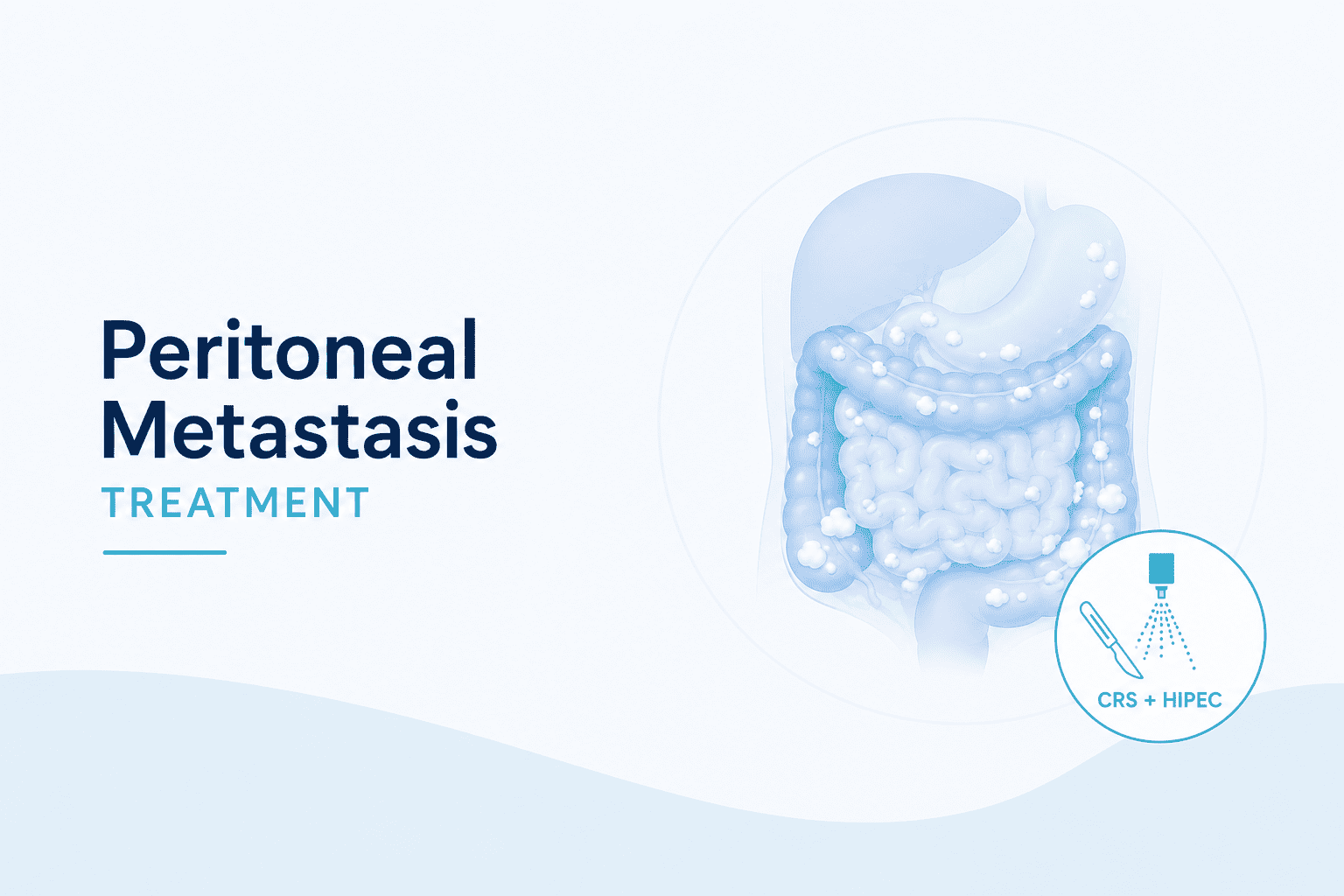
Best Peritoneal Metastasis Treatment in Mulund
Peritoneal metastasis is a serious and advanced stage of cancer that requires specialized and timely medical care. If you are searching for The Best Peritoneal Metastasis Treatment in Mulund, understanding the disease, available treatment options, and benefits of choosing this location can help you make informed decisions.
Symptoms of Peritoneal Metastasis
Recognizing the symptoms early can significantly improve treatment outcomes. Common signs include:
- Persistent abdominal pain or discomfort
- Bloating or swelling due to fluid buildup (ascites)
- Unexplained weight loss
- Nausea and digestive issues
- Changes in bowel habits
- If you experience these symptoms, consulting a specialist in Mulund is crucial for timely evaluation.
Advanced Treatment Options Available in Mulund
Hospitals in Mulund and nearby Mumbai areas offer state-of-the-art treatments for peritoneal metastasis. The most effective approaches include:
- Cytoreductive Surgery (CRS)
Cytoreductive surgery is a highly specialized procedure aimed at removing visible tumor deposits from the abdominal cavity. This surgery is complex and requires experienced surgical oncologists.
CRS plays a vital role in reducing tumor burden and improving the effectiveness of further treatments.
- HIPEC (Hyperthermic Intraperitoneal Chemotherapy)
HIPEC is often performed immediately after CRS. In this procedure, heated chemotherapy drugs are circulated inside the abdomen to destroy remaining cancer cells.
The combination of CRS and HIPEC is considered one of the most effective treatments for peritoneal metastasis and is available at advanced cancer centers accessible from Mulund.
-
- Systemic Chemotherapy
Chemotherapy may be administered before or after surgery to control disease progression. It is tailored based on the type and stage of cancer.
- Targeted Therapy and Immunotherapy
Modern cancer care includes targeted therapies and immunotherapy, which focus on attacking cancer cells while minimizing damage to healthy tissues.
- Palliative and Supportive Care
Supportive care is essential for managing symptoms and improving quality of life. This includes pain management, nutritional support, and psychological counseling.
Conclusion
Finding the best Peritoneal Metastasis treatment in Mulund is essential for improving survival outcomes and quality of life. With access to advanced treatments like CRS, HIPEC, chemotherapy, and targeted therapy, Mulund has become a trusted destination for comprehensive cancer care.